The Whole Child Model

School-to-School International's Whole Child Model focuses on three main areas of need — education, health, and community engagement — so that children can learn more effectively.

WCM in Action

Explore the latest from the Whole Child Model’s work across education, health, and community initiatives.

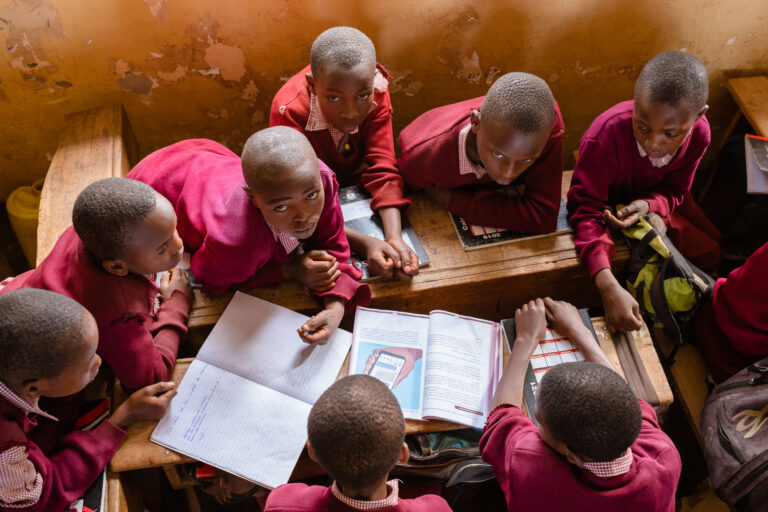
Education

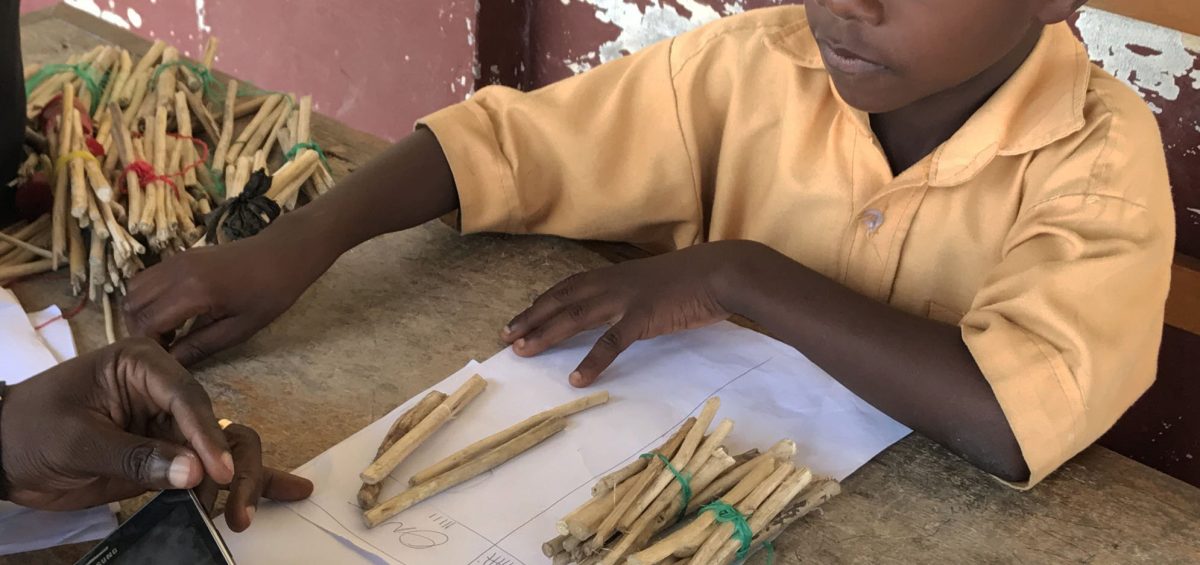
Quality learning begins in early childhood and continues in the primary school classrooms where instruction is activity-based, children learn in a language they understand, and all children are encouraged to learn.
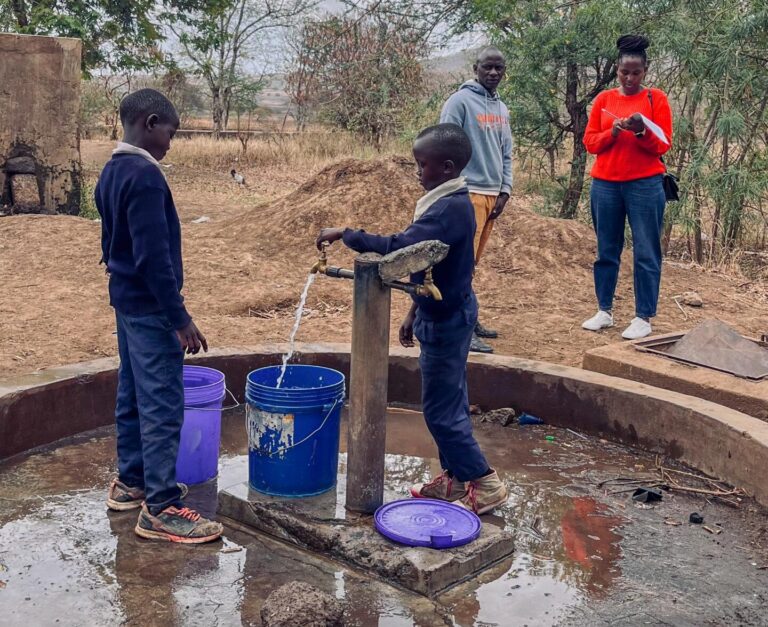
Health

Children learn best when they are healthy and free of hunger. Things like water and latrines at the school, trained teachers, first aid kits, and controls on the quality of food at school can help.
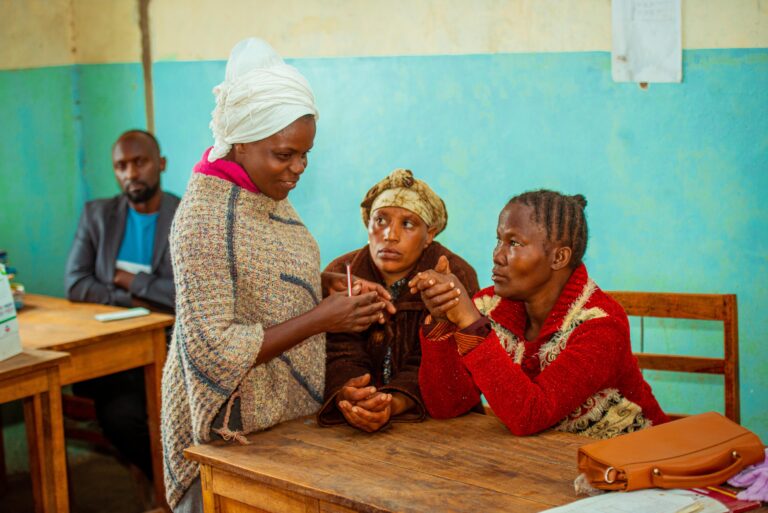
Community

Children thrive when their parents, caregivers, and communities play an active role in creating school and home environments that are conducive to learning.
The Challenge

To succeed in school, children need not only good teachers, but a safe and organized school environment, encouragement of their health and nourishment, and support from their families and communities.

Our Solution

Since 2002, STS has been developing the Whole Child Model, a holistic approach to education based on the understanding that for students to thrive, their basic needs must be fulfilled. Rooted in years of research and professional experience, the Model focuses on three areas of need—education, health, and community engagement—so that all children can learn more effectively.

We partnered with schools to support students through active learning, local language instruction, teacher training, and girls’ empowerment. We have developed school health policies, provided medical supplies, and constructed wells and latrines. We have also trained school managers, deepened parental involvement, and hosted cross-cultural learning opportunities to increase community engagement in education.

Our Impact

Our research in Guinea and Tanzania shows that when girls participate in our Whole Child Model girls’ scholarship program, they score significantly higher in reading and math than other students. Our efforts led to increased hand washing and use of toilets. Teachers and students showed improved knowledge of hygienic practices. Parents increasingly monitored the sanitation status of schools and established more equitable divisions of chores between their sons and daughters. Parents and teachers have created stronger relationships and begun an understanding of what they both need to do to encourage their students to do their best, both in and out of the classroom.

Our commitment to effective and healthy school environments and supportive communities has made STS a valued partner in the international development community.