
Gender-Responsive Radio Education in the DRC
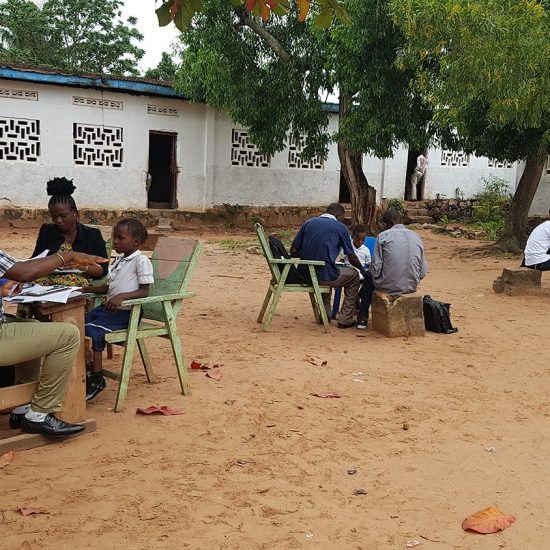
Making Waves is an innovative education program led by War Child Canada that uses interactive radio instruction to reach children and youth who are out of school. The program serves more than 28,000 learners between the ages of 12 and 16 in Kinshasa and in the cities of Bukavu and Uvira in South Kivu, Democratic Republic of Congo. By combining radio-based lessons with local learning support, Making Waves helps young people continue learning in challenging contexts. The program places a strong emphasis on gender-sensitive teaching and inclusion, with the goal of reducing barriers to education—especially for girls and children with disabilities.
STS played a central role in assessing how well Making Waves achieved its goals. STS conducted an independent evaluation to understand whether accelerated learning delivered through interactive radio instruction was effective, and how it compared to more traditional Accelerated Learning Program (ALP) centers. The evaluation focused on practical outcomes that matter to learners and families, including reading and math skills, students’ psychosocial well-being, and perceptions of access to education.
Through this work, STS generated clear evidence about the impact of radio-based learning. The team measured learning outcomes using student assessments and examined how participation in Making Waves influenced students’, teachers’, and caregivers’ views on barriers to education and learning. By comparing results across different types of learning programs, STS provided War Child Canada with actionable insights into what was working well and where further improvements could be made.
STS used a mixed-methods approach, combining quantitative data with in-depth interviews to ensure a well-rounded understanding of the program’s effects. Data were collected from 20 learning sites across Kinshasa and South Kivu, including both Making Waves learning centers and comparison ALP centers. In total, 447 students completed learning assessments and questionnaires, 30 teachers completed surveys, and students, parents, and teachers participated in interviews. Findings were synthesized into a final report and presented remotely to War Child Canada, equipping the organization with evidence to strengthen future programming and expand effective learning solutions for out-of-school youth..
In partnership with War Child Canada
Related Resources
Dates: 2020 – 2021