“The issues most likely to interrupt young Tanzanian students’ education are well known: menstrual health hygiene, early pregnancy, early marriage, and violence against women and children.” – Elle Peut Naidim (EPN, “She can, I can”).
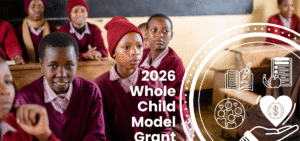
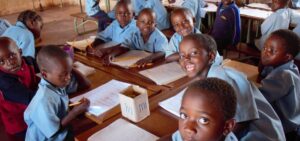
School-to-School International’s Whole Child Model works in the Arusha District of Tanzania to ensure that all children thrive in school, so it is no wonder that menstrual health hygiene is high on our project list.
Earlier this month, we partnered with Elle Peut Naidim to bring their “Happy Period, Happy Girls” program to STS’s focus school: Olmedeye Primary School. Through the program, 110 girls learned about their menstrual health, received sanitary towels and underwear, and helped break the silence to change negative social norms.
But we’re not done. We want to accomplish much more with girls’ education and menstrual health—from more workshops like these across all WCM focus schools to girls’ clubs to materials for reusable underwear and pads. But to do so, we need your help. Learn more about STS’s work through the Whole Child Model and consider donating financially to support this vital work.
More to know:
- “Up to 75% of girls [in Tanzania] have limited access to menstrual hygiene products…when they’re menstruating, they usually will not be in school.” Tzu Chi Center
- Research has found that girls can miss up to 70 days of school each year due to their periods. Some will drop out entirely.
- According to UNICEF, 85% of girls living in countries like Tanzania are forced to use unhygienic solutions, including using strips of cloth, which can spread fungi and infection.
- “As“of 2018, only 44.2 percent of schools in Tanzania had teachers trained on WASH issues, with only 50.8 percent of those teachers providing some type of feminine hygiene products to young girls.” Maji Safi Group
- A typical Tanzanian woman will spend 3.4% of her monthly paycheck on sanitary products; in the Arusha district where STS works, it can be as much as 10%. By comparison, a typical American woman will spend less than 0.15%. (source: CNN)