
“WHAT’S THE BUZZ? STUDENTS DISCUSSING
MATH IDEAS IN GROUPS”
The Tanzania Pilot Numeracy Research Project, implemented under the Science of Teaching initiative led by RTI International and funded by the Gates Foundation, explored practical strategies to strengthen foundational mathematics instruction in early primary classrooms. Conducted in eight high-needs schools in Arusha, Tanzania, the project examined how combining Flexible Ability Grouping (AG), Foundational Mathematics Knowledge for Teaching (FMKT), and student-centered instructional approaches could improve teaching practices and support diverse learners.
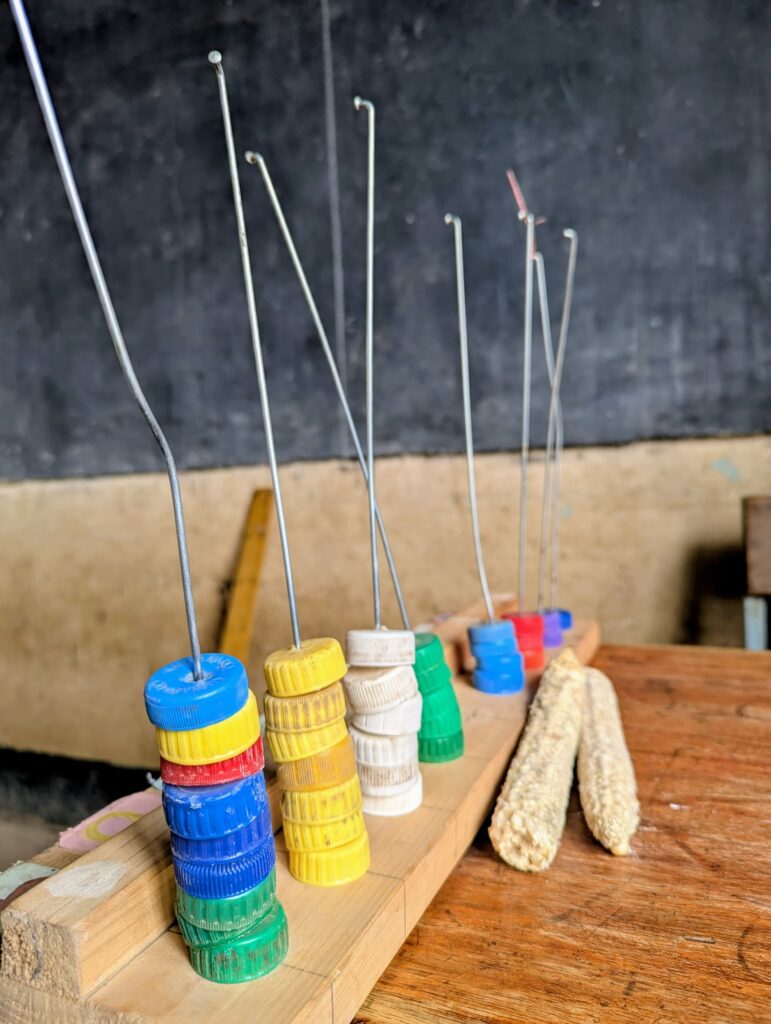
STS trained 32 Grade 1–3 teachers and head teachers through a two-day workshop, followed by in-school coaching and structured observation. The training emphasized using ongoing assessment data to group students by ability, applying FMKT strategies such as the use of concrete, locally available materials, and treating student errors as opportunities for learning. Teachers were supported to shift from traditional, teacher-centered instruction toward more responsive, student-centered practices.
Using a mixed-methods research design, the study collected data through classroom observations, surveys, interviews, and focus groups to assess implementation and teacher attitudes. Findings showed moderate but growing adoption of ability grouping, strong uptake of FMKT practices—especially the use of manipulatives—and increasing alignment with student-centered teaching, though with room for continued growth.
Overall, the project demonstrated that integrated training and support in AG, FMKT, and student-centered pedagogy can enhance teachers’ ability to address varied learning needs in large classrooms. The results suggest strong potential for scaling these approaches, alongside expanded training, leadership engagement, and continued coaching, to improve foundational numeracy outcomes in similar contexts.
In partnership with RTI International & Bill and Melinda Gates Foundation
Related Resources
Dates: 2024 – 2025